 [ the Bahoruco range, Barahona ]
Regional context is not item-specific proof.
Larimar is associated with the Barahona mining district in the south-west of the Dominican Republic. That geographic background belongs in a field guide, but it does not prove where an individual piece was recovered.
An item-specific provenance statement should identify the records actually held for that piece. Catalog measurements, photographs, supplier statements and independent reports must be described separately rather than implied.
 [ archival · 1974 discovery ]
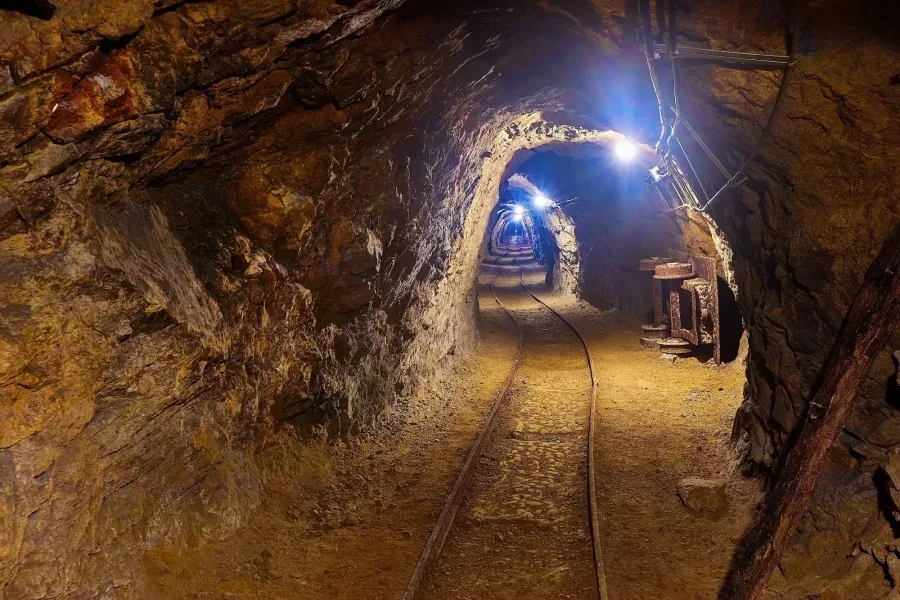
For generations, locals had found blue stones washed down the Bahoruco river to the Caribbean shore. In 1974 a Dominican, Miguel Méndez, and a Peace Corps volunteer followed the fragments upstream to their source in the mountains.
Méndez named the stone for his daughter Larissa and the sea — mar. This historical account provides regional context; individual specimen records require their own evidence.
Four evidence checkpoints
Source statement
Record who supplied the origin information and how specific it is. Do not infer a shaft or recovery date from appearance.
Observation
Describe visible colour, pattern, form and condition as observations rather than proof of identity or origin.
Documentation
Record measurements, photographs and house grading observations for the individual piece where those facts are available.
Supporting evidence
List supplier records, condition notes or independent reports separately and state when no supporting document is held.
“A regional story can provide context. Provenance for an individual piece begins with the records that can be checked.”