What We Do
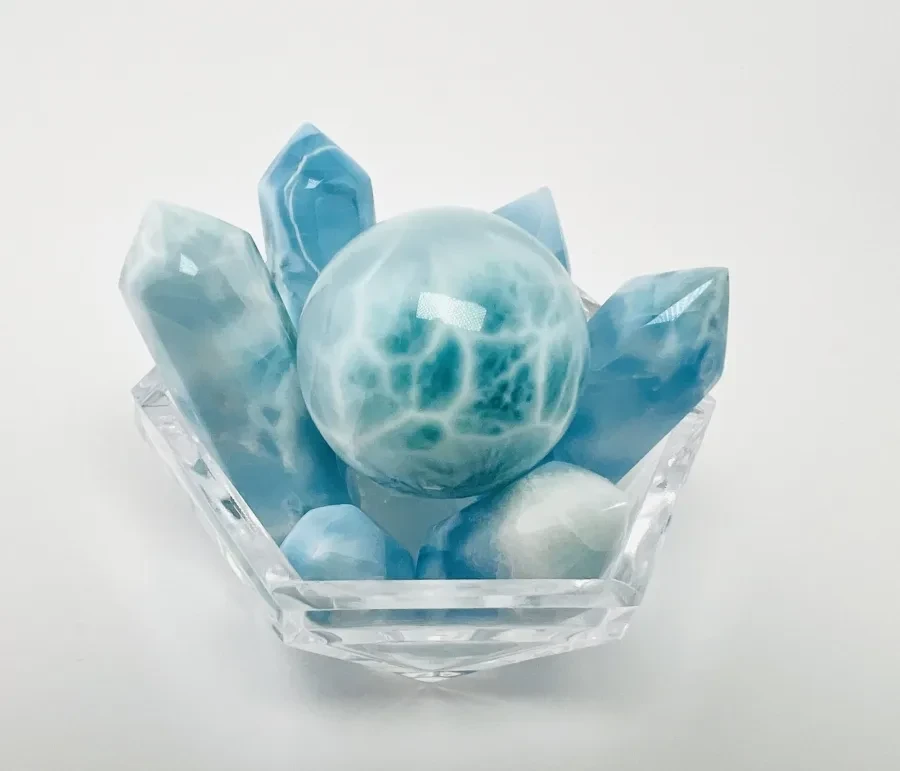
Larimar Miner connects the physical work of Larimar with the records needed to describe it responsibly. We are a small operation, founded in recent years, that combines hands-on sourcing in the Dominican Republic with careful documentation, so that every stone we offer arrives with an honest account of where it came from and what was done to it.
The short version: we help good Larimar move from the ground in Barahona to the people who value it, without losing the story in between.
Sourcing and Mining
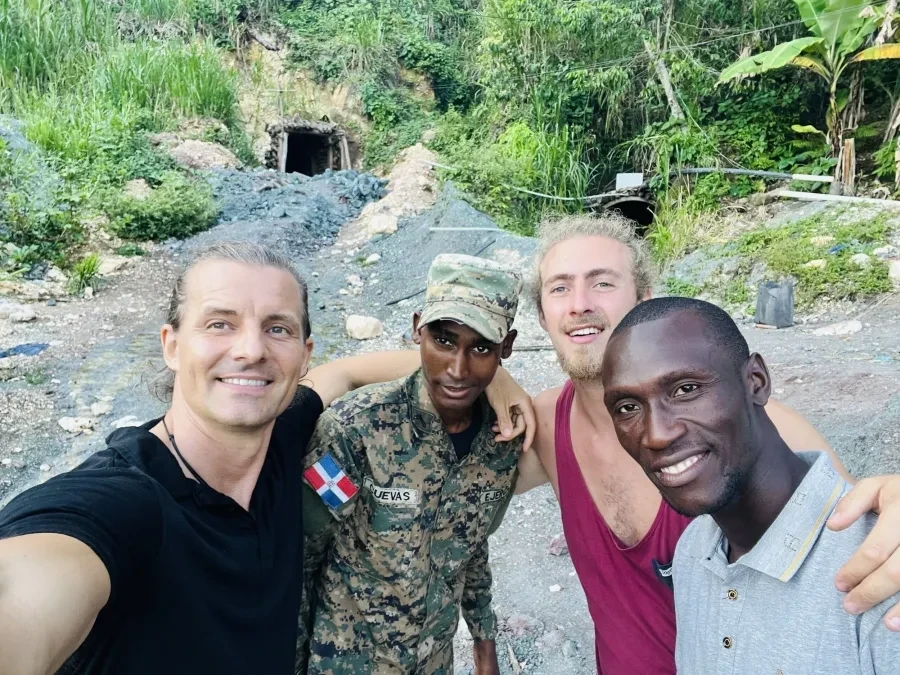
We work with Larimar material from the Barahona region through documented supply and operating relationships. In practice this means a mix of models rather than a single one. We purchase rough from established local cooperatives and independent diggers, and we maintain ongoing agreements with partner operators who work the deposits directly. Where material reaches us through a partner rather than our own hands, we say so, because "mined by us" and "sourced by us" are not the same claim.
We do not present ourselves as the sole or original extractor of every stone we sell. The mining is hard, local work, and we prefer to credit the people who do it.
Sorting and Selection
Incoming material is examined by form, color, pattern, structural condition, associated minerals and potential use. Some pieces are suited to production, others are better kept as specimens or research samples. A stone with a striking matrix or unusual inclusion may be worth more left intact than cut, and part of our job is recognizing that before a saw touches it.
Selection is where most of the value is decided. We sort patiently, and we set aside the pieces that deserve a second look.
Documentation and Grading
We record selected material with photographs, measurements, provenance status and treatment disclosure. Each documented piece carries a reference so its details can be traced later.
Our grading standard is published as a Larimar Miner methodology, not represented as a universal or official system. It describes how we read color saturation, pattern contrast, surface condition and clarity, so buyers can compare our stones against our own consistent scale. We think a transparent house standard is more useful than borrowing the authority of a grading body that does not exist for this material.
Cutting, Polishing and Production
Some finishing work is completed in-house, and some is carried out by partner workshops we have worked with over time. We credit the relevant maker or workshop wherever it is appropriate and permitted to do so.
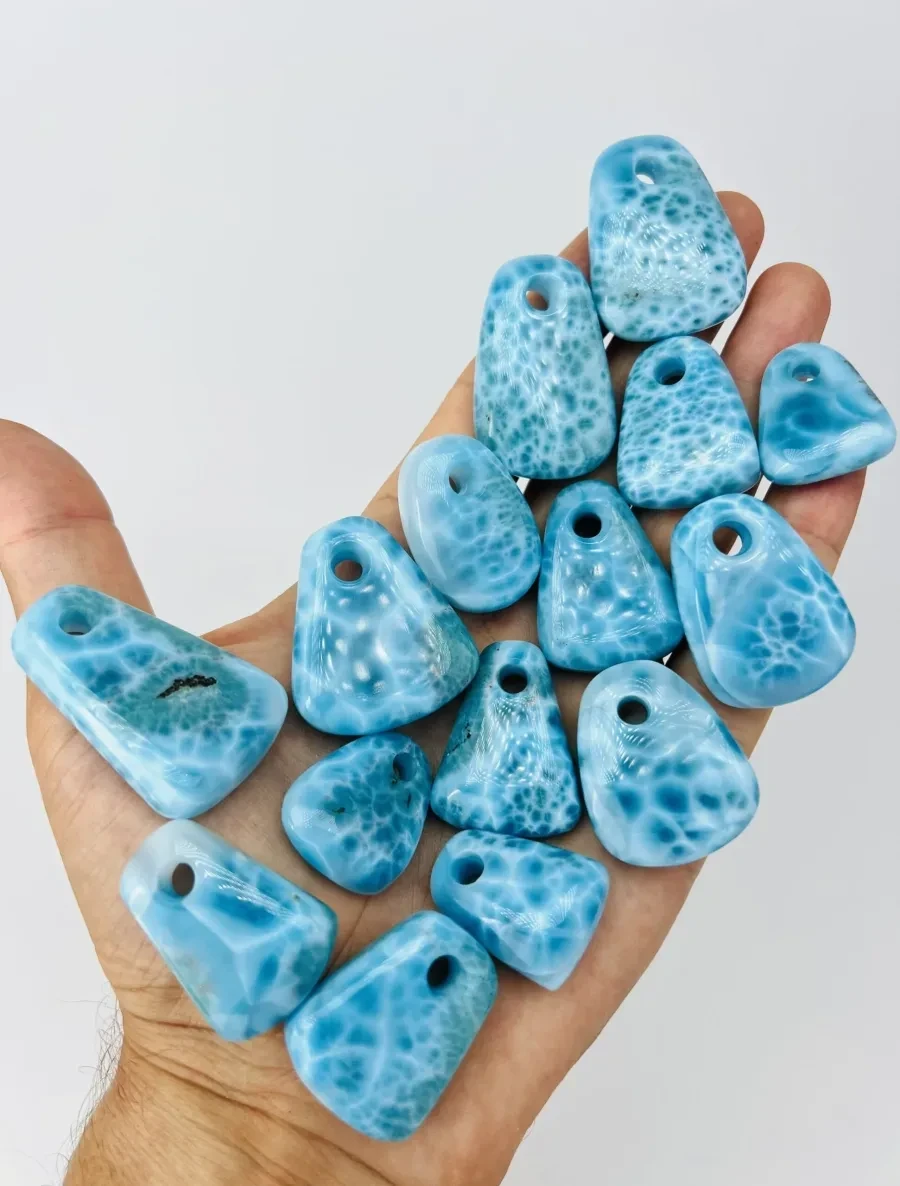
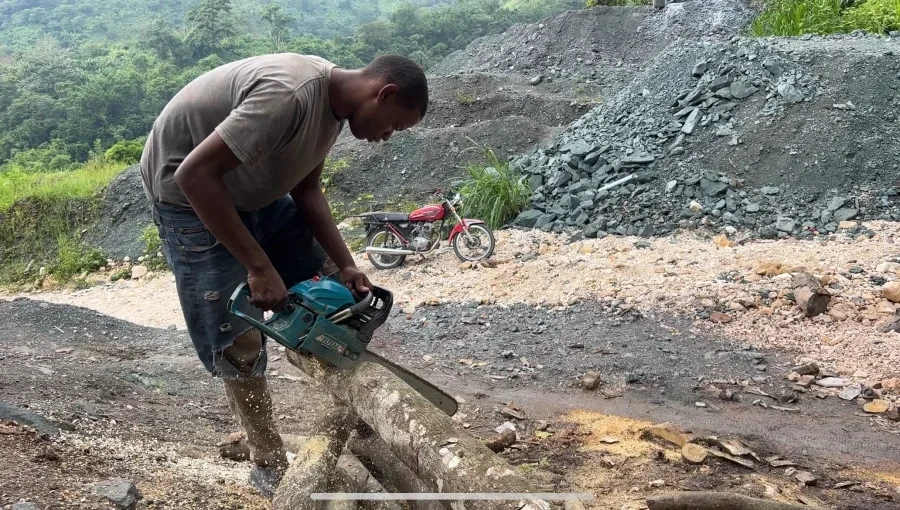
Production may include:
- Slabbing and sawing of rough
- Cabochon cutting and freeform shaping
- Carving and bead work
- Polishing and surface finishing
- Drilling
- Jewellery setting
We treat a finished piece as the work of the hands that made it, and we try not to erase those hands from the record.
Retail and Wholesale
The shop offers two kinds of listing: documented individual objects, where the photographs show the exact piece you receive, and repeatable products, where stones are matched to a described specification. Our wholesale descriptions state grade, dimensions, quantity, expected variation, treatment status and whether the photographs show the exact lot or a representative example.
If you are buying in volume, you should know exactly what variation to expect before the box arrives. We would rather under-promise on consistency than surprise you.
Research and Education
We maintain guides, source summaries, specimen records and field observations, and we publish what we can verify rather than what merely sounds good. Larimar carries a good deal of folklore, and we are happy to share the cultural and spiritual associations people hold for the stone, clearly labelled as beliefs rather than tested facts.
Qualified researchers and institutions are welcome to collaborate under a documented sample and access policy. If you study Larimar seriously, we would like to help.
Mine Visits
For visitors who want to see the source rather than just read about it, we can arrange access through approved local tour operators. A typical visit covers the working area around the Barahona deposits, an introduction to how the material is dug and sorted, and time to see rough Larimar in its natural setting.
Mining areas are genuinely working sites, so visits run on the operator's schedule and within their safety limits. Some areas may be off-limits depending on conditions on the day. We would rather you see less and stay safe than promise a tour we cannot responsibly deliver.