What determines Larimar’s value?
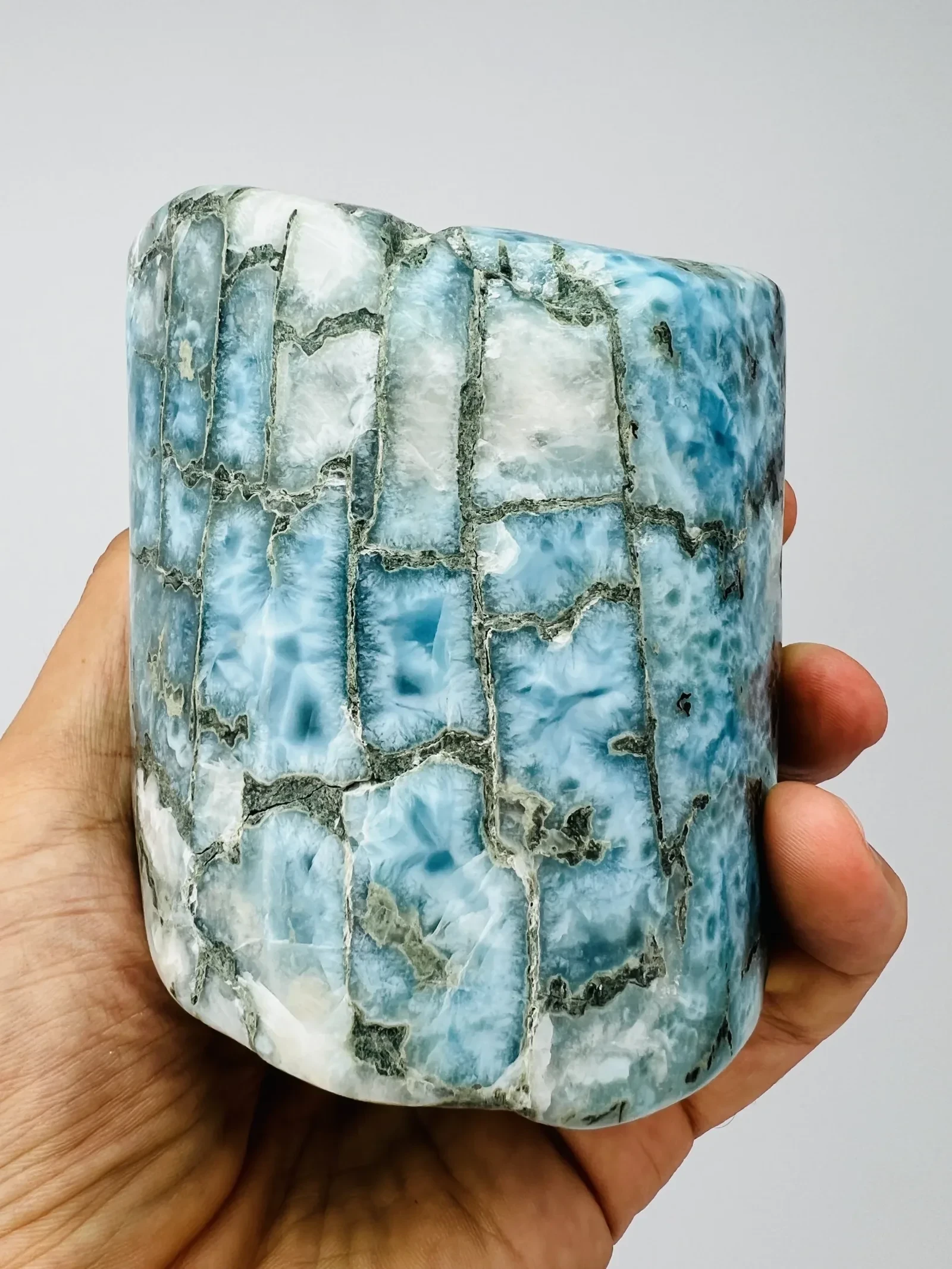
Larimar has no single universal price per gram. A gram of fractured pale rough, a gram of a fine calibrated cabochon and a gram inside an exceptional documented sculpture are not equivalent products.
Value results from a combination of material, workmanship, documentation and market context.
Material factors
Color
Saturated attractive blue is often commercially desirable, but hue, balance, distribution and how the color behaves in normal light all matter. Green, white, grey and mixed material may also be valuable when it has unusual natural features or artistic character.
Pattern
Clear contrast and well-composed natural structures can increase desirability. Pattern value remains partly subjective and should be described rather than hidden inside an unexplained grade.
Translucency and optical depth
Translucent zones can add visual depth. Complete opacity is not automatically negative, particularly in specimen material with associated minerals or strong pattern.
Structural integrity
Open fractures, weak contacts, pits and repairs affect durability, yield and comparability. Natural fractures are common; the issue is not their moral character but their effect on the object.
Size and usable yield
Large sound areas are less common than small usable areas. In rough stone, total weight and recoverable gem material are different quantities.
Unusual documented features
Native copper, uncommon associated minerals, distinctive growth structures or an important provenance may increase collector interest when properly identified and documented.
Workmanship factors
A skilled cut can reveal color and structure while preserving strength and weight. Value may be reduced by:
- Poor orientation
- Flat or uneven polish
- Scratches
- Weak drilling
- Excessively thin areas
- Symmetry errors where symmetry was intended
- Metalwork that does not protect the stone
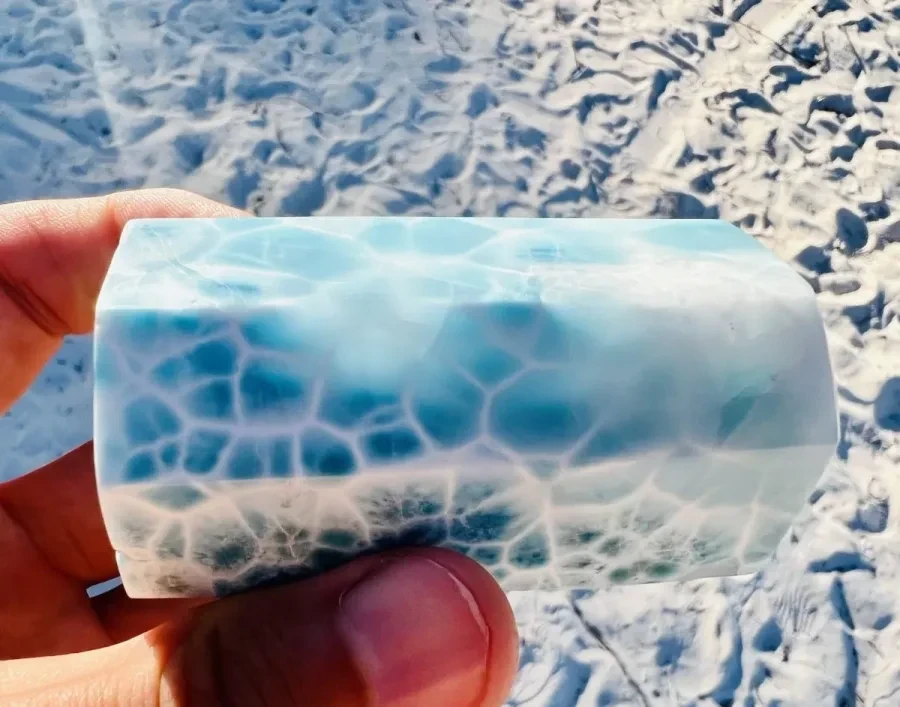
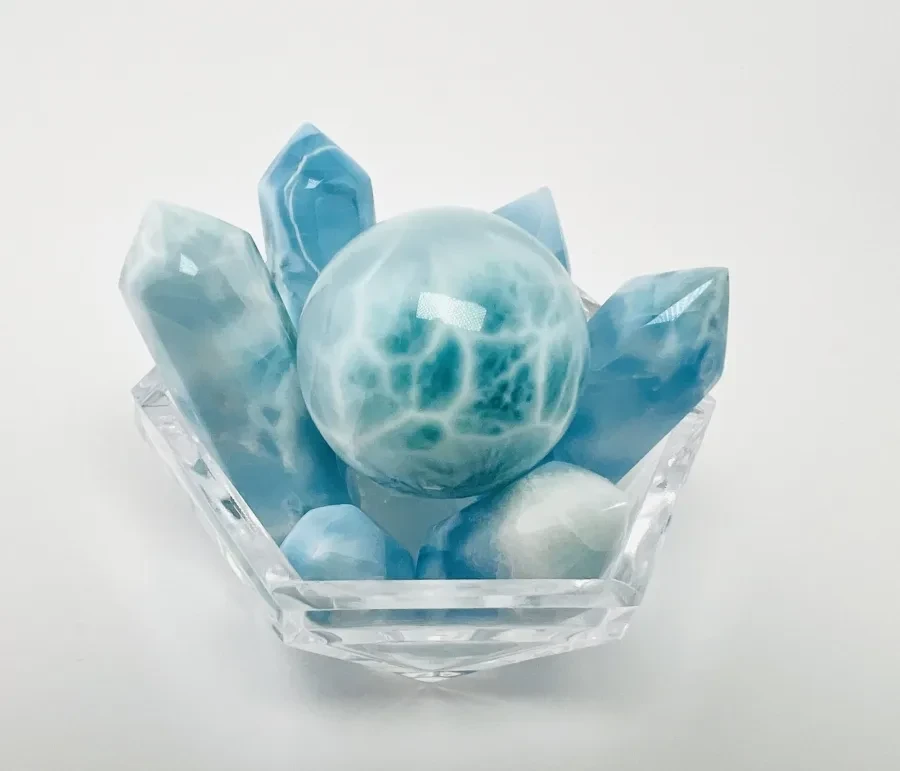
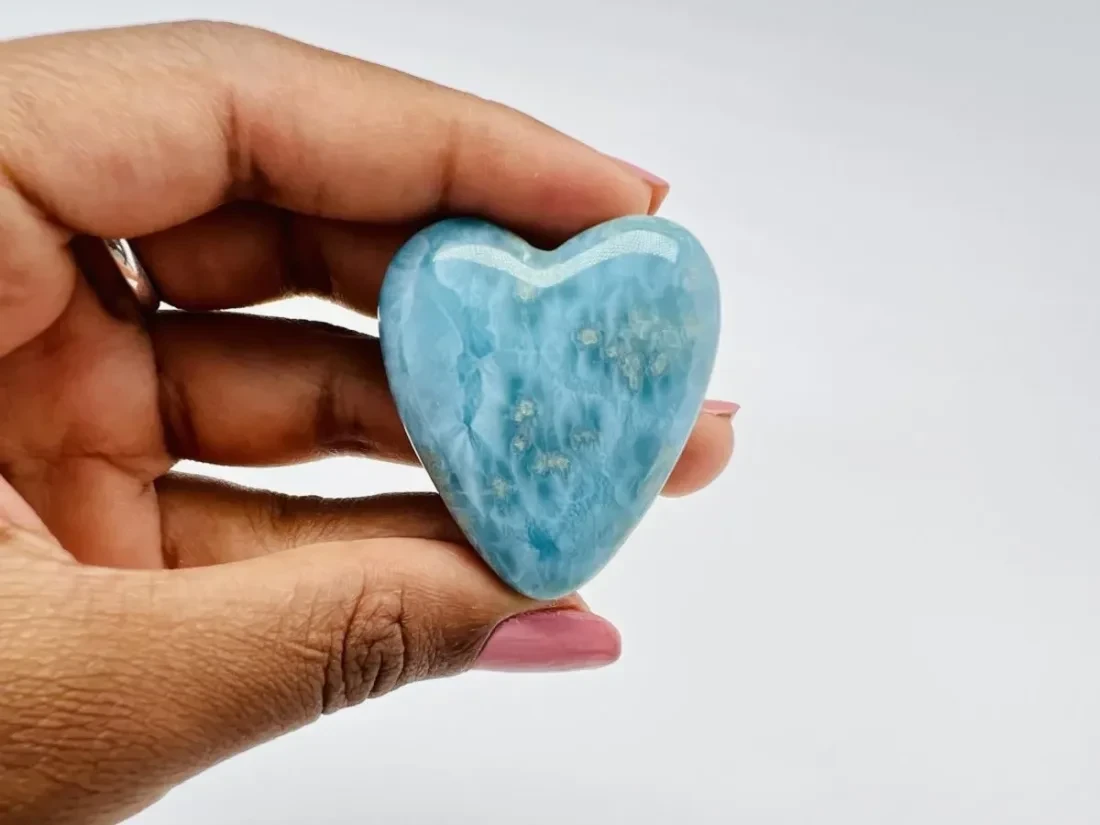
Original design, carving complexity and high-quality setting can add substantial value beyond the raw material.
Documentation factors
A unique specimen with reliable photographs, measurements, origin records, treatment disclosure and a traceable history is easier to assess than an undocumented object with a heroic caption.
Independent analysis can add confidence where identity is unusual or disputed. It does not automatically turn ordinary material into a museum specimen.
Market factors
Prices vary by:
- Retail or wholesale context
- Country and currency
- Taxes and import costs
- Form of the material
- Seller reputation and service
- Current supply and demand
- Comparable documented sales
- Whether the item is unique or repeatable
A listed price is an asking price, not proof of a completed market transaction.
Why published price charts need dates
Market reports should state:
- Publication date
- Currency
- Market segment
- Product form
- Sample size or data source
- Whether values are asking or completed-sale prices
- Outliers and limitations
Do not use an undated chart as though the market has signed a lifetime contract with it.
Larimar as an investment
Larimar may be collected and may change in market value, but future prices are uncertain. No grading label, rarity story or historical increase guarantees appreciation, liquidity or resale demand.
Buy primarily because the object, documentation and price make sense to you. Any investment decision should account for transaction costs, condition, authenticity, storage, insurance and the difficulty of finding a future buyer.
The research library is being compiled; entries will appear here soon.