Larimar Research and Collaboration
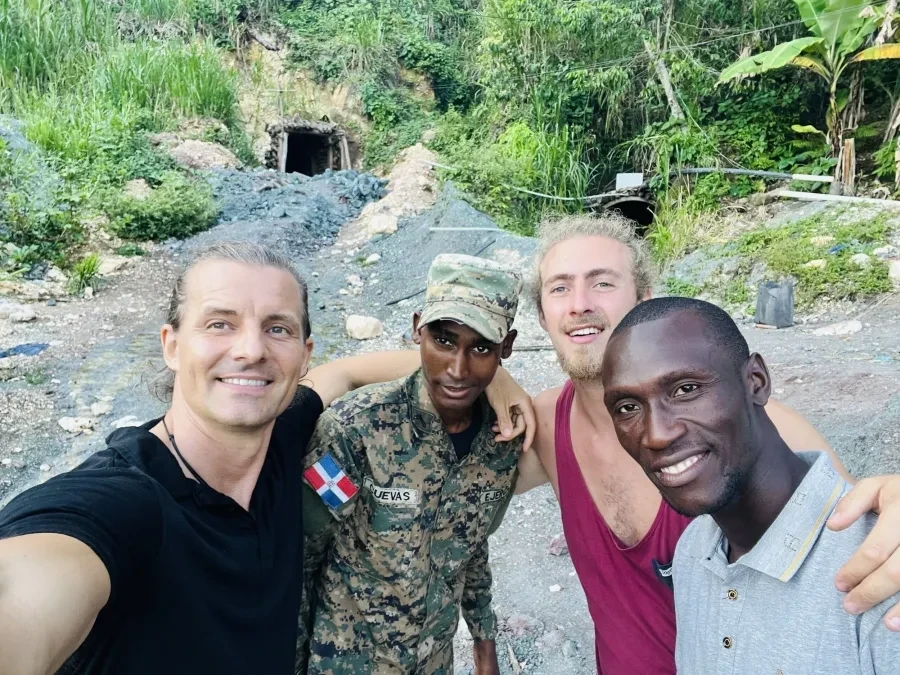
Larimar Miner welcomes serious proposals that can improve knowledge of Larimar's mineralogy, formation, color, associated minerals, durability, conservation, mining history or cultural significance.
Access to samples or sites is not automatic. Scientific value, legal requirements, safety, confidentiality, destructive testing and the rights of workers and communities must all be considered before anything is shared or scheduled.
Suitable collaborators
Potential collaborators include:
- Universities and research departments
- Accredited or established laboratories
- Museums and their collections teams
- Government and regulatory institutions
- Qualified independent researchers
- Conservators and materials specialists
- Gemological organizations
Commercial interest does not disqualify a project, but funding sources, conflicts of interest and publication intentions must be disclosed up front. We would rather know early than be surprised later.
Proposal information
Proposals are reviewed in the order they arrive, and we respond as promptly as we can. We read everything; we do not approve everything.
A proposal should include:
- Lead researcher and institution
- Qualifications and relevant prior work
- The research question being asked
- Methods to be used
- Sample requirements
- Whether testing is destructive
- Data and image needs
- Any site-access request
- Funding and its sources
- Expected timeline
- Ethics or institutional approvals
- Publication and authorship plan
- Data-sharing plan
- Sample return or retention plan
A short, honest two-page outline is more useful to us than a long document that avoids the hard questions.

Sample policy
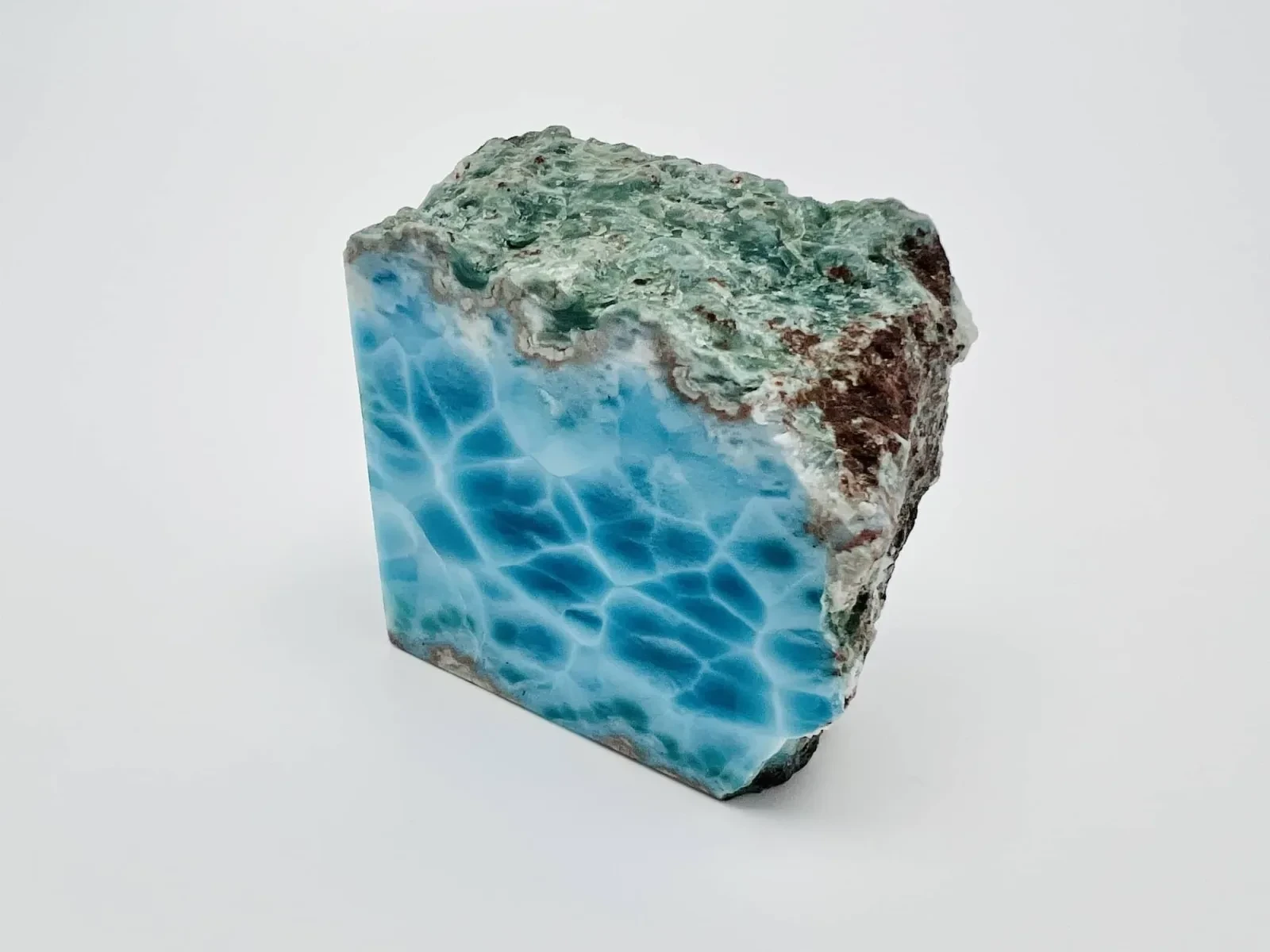
Our working sample policy covers ownership, transfer, export, chain of custody, destructive testing, unused material, raw data, photographs and publication rights. We are formalising it in writing, we share it with collaborators before any material moves, and we review it as we learn what works.
Under this policy, every sample is assigned a unique reference number and its condition is documented before transfer. Destructive analysis must state the maximum amount of material required and how any residual material will be handled or returned. We keep records of what left, what came back, and what could not.
Field access
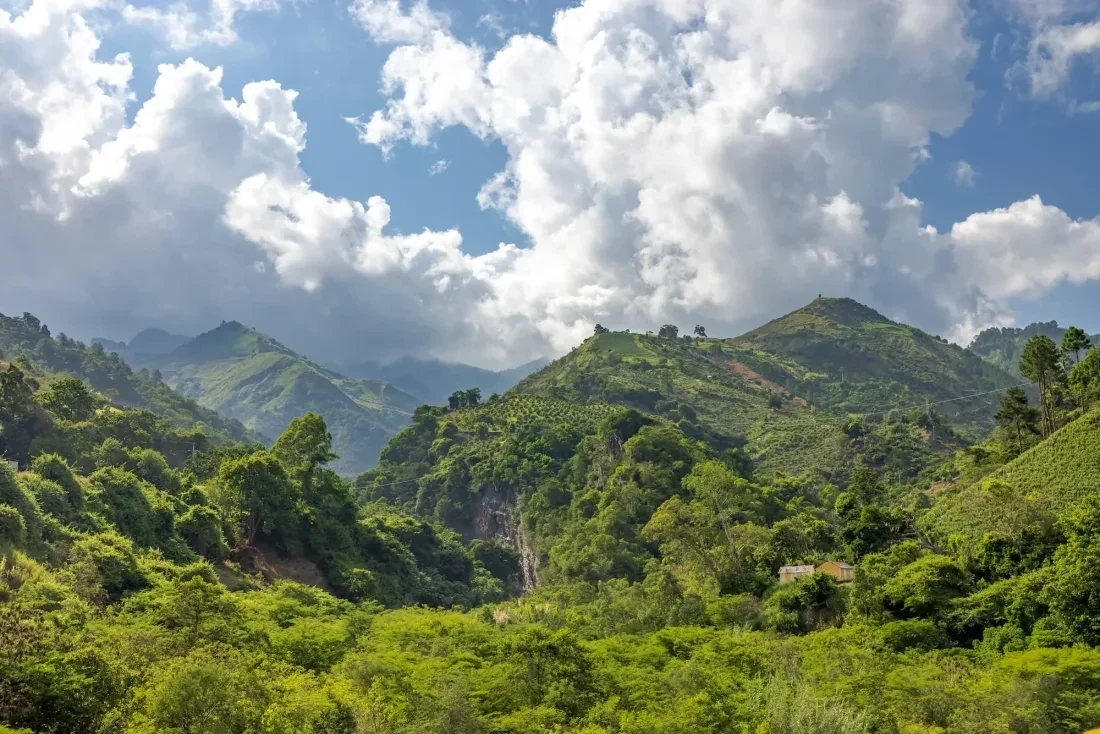
Site access depends on legal permission, current operational conditions, weather, an internal safety review and respect for sensitive information. Access is granted case by case and can be withdrawn if conditions change.
Researchers on site must follow all site instructions and may be required to provide proof of insurance or institutional documentation before entry. None of this is meant to be obstructive; mining ground is simply not a place for improvisation.
Results and corrections
We prefer projects that return analytical data, methods, images and conclusions in a form that can improve the public record, subject to legitimate embargoes and privacy requirements. Where findings can be shared openly, we would like them to be.
Negative or contradictory results are valuable. If a measurement does not match what we expected, or what we have previously said, we want to know. Research collaboration is not a machine for manufacturing flattering conclusions, and we have no interest in pretending otherwise.
Getting in touch
Initial inquiries can be sent to our research contact using the address listed on the contact page, with "Research proposal" in the subject line. Please include enough detail for us to understand the scope; we will follow up to arrange the specifics if the project looks like a fit.