Company policy Official regulation Annual evidence
Responsible Larimar Mining
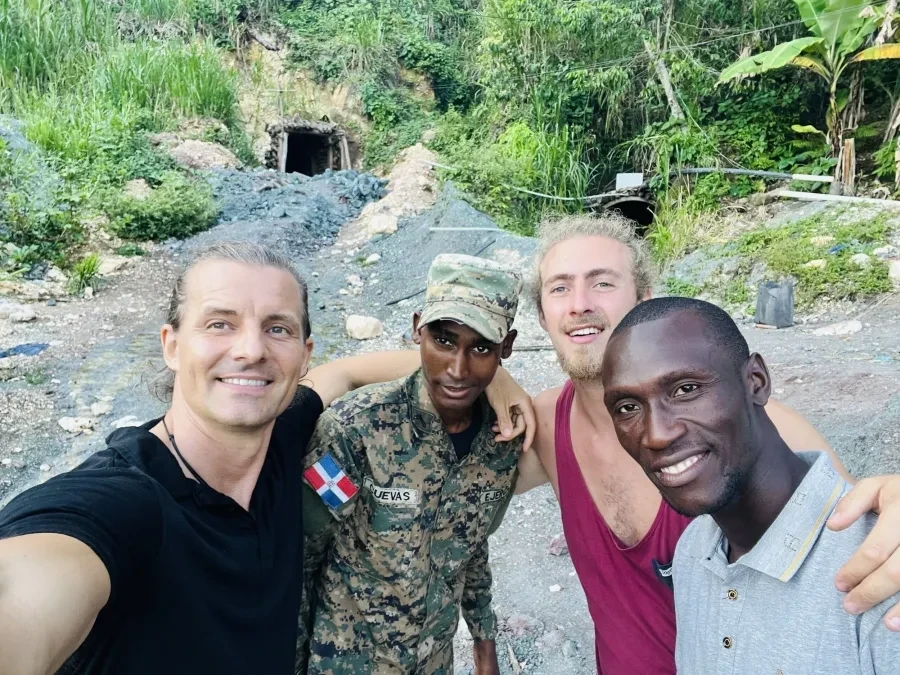
"Responsible" is not a decorative adjective. It is a set of practices, records, responsibilities and results that can be examined over time.
This page describes the standards Larimar Miner holds itself and its direct partners to. It is written as a set of working principles and commitments: some describe requirements we apply today, others describe practices we are still formalising and verifying, and we try to make clear which is which. The scope covers the company's own small-scale extraction and finishing activities together with a short list of supplier and processing partners. Specific site names and partner identities are kept generic here.
1. Legal operation and traceability
We require documented rights, permissions and records appropriate to the activity. Material entering our system should have a traceable supplier, date, quantity and processing history appropriate to its value and risk.
Our aim is for each lot to be logged on arrival with a supplier reference, a date, a recorded weight and a short note on its origin and any treatment, and we are working to formalise how permissions and concession or cooperative relationships are kept on file and reviewed. Sensitive identifiers such as personal documents and exact concession coordinates will not be published in any case.
2. Health and safety
Our framework covers:
- Entry authorization
- Hazard assessment
- Ground conditions and support
- Ventilation
- Water and weather
- Lighting and communication
- Personal protective equipment
- Equipment maintenance
- First aid
- Emergency response
- Incident reporting
- Training
The principle we work to is simple: a responsible person on site confirms that the relevant controls are in place before work begins, and stops work when conditions change. Our aim is for basic safety briefings to be repeated on a regular cycle rather than treated as a one-time formality, and for protective equipment to be checked at the start of each working period. We will publish specific controls as current practice only once they are verified; where a control is aspirational rather than current, we intend to say so plainly instead of implying it here.
3. Worker welfare
Responsible operation includes clear working arrangements, respectful treatment, age verification, payment records and access to required protective equipment.
We are working to formalise written arrangements that set out the nature of each engagement, expected hours and how and when people are paid, and to make age verification a documented step before anyone is engaged. Our aim is for compensation principles to be written down so that pay is not left to improvisation, and for protective equipment to be provided rather than treated as a personal expense. We want a straightforward channel for raising concerns or complaints — we would rather hear about a problem early than discover it in an incident report. We avoid vague slogans such as "fair wages" unless we can point to the basis behind the words.
4. Environmental management
The relevant impacts may include excavation, waste rock, water, fuel, transport, workshop slurry and land disturbance. Credible reporting on them should state:
- Which impacts are monitored
- What controls are used
- Where material is stored
- How spills and waste are handled
- Which restoration or cleanup work occurred
- What remains unresolved
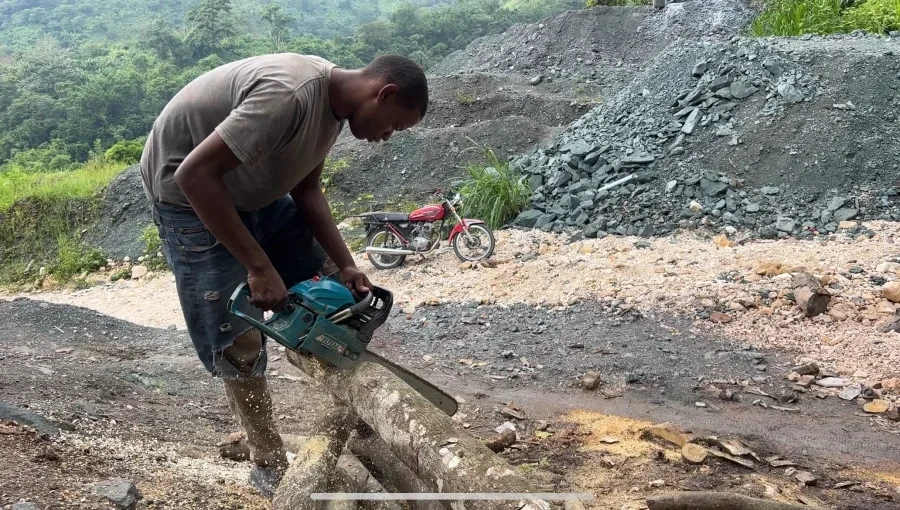
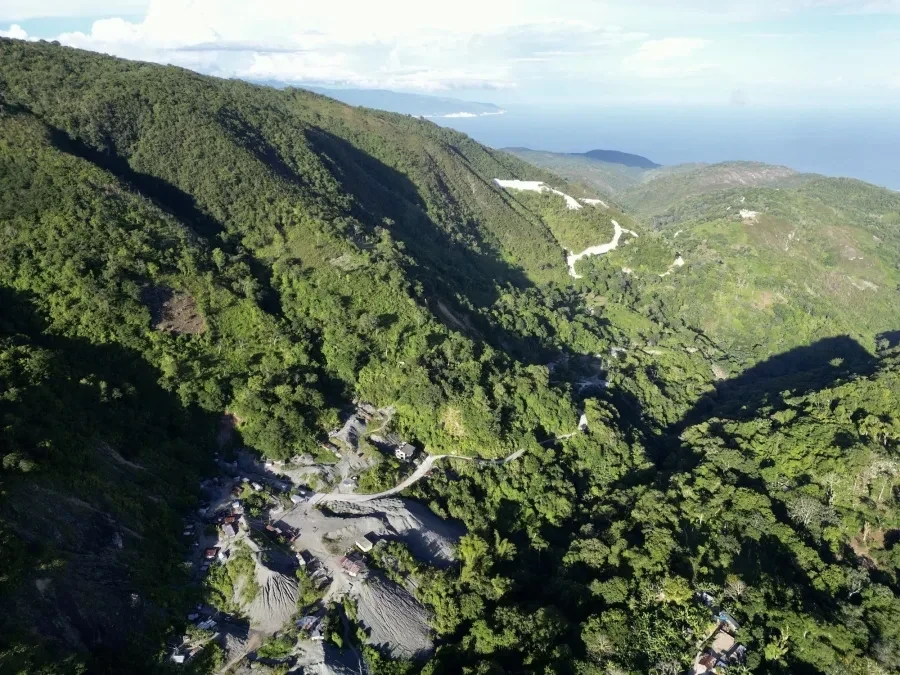

Our priorities are water use around cutting and polishing, the handling of workshop slurry, and fuel storage near equipment. The practices we are working to establish and verify include keeping waste rock in designated areas rather than pushing it into watercourses, settling and containing cutting slurry before disposal, and logging spills together with what was done about them. Until we can back these with records, read this section as a set of commitments rather than a report of current performance.
5. Community relationships
Community support should be documented with dates, partners, purpose and outcomes rather than converted into a permanent halo around the company logo.
Where we contribute to local efforts, our aim is to record what was done, with whom, when and to what end, and to publish amounts or outputs only where records support them and the people involved are comfortable being named. Concrete examples will be added here as the underlying records and consents are in place.
6. Specimen and cultural stewardship
Unusual mineral associations, historically significant objects or scientifically useful specimens should be documented before cutting or sale where practical. Cultural claims and national significance should be treated respectfully and accurately. Larimar carries genuine cultural and national meaning for many people; we treat statements about that meaning as belonging to those communities rather than as marketing copy to borrow.
7. Supply-chain expectations
Our minimum expectations for partners who supply or process material cover:
- Legal sourcing
- No child labour
- Safety
- Treatment disclosure
- Accurate weights and records
- No substitution or misrepresentation
- Cooperation with corrective action
We are working to write these expectations into our arrangements with partners rather than leave them as goodwill. A partner who cannot meet them, or who will not cooperate when something needs to be corrected, is not a partner we intend to keep. Checking weights and treatment disclosures on receipt follows the same principle: the easiest place to catch a problem is before it enters the catalogue.
8. Reporting and correction
We do not yet publish a formal responsibility report. When we are in a position to report, a credible account should cover:
- Scope and sites
- Workforce or contractor basis
- Training completed
- Inspections
- Incidents and corrective actions
- Environmental work
- Community work
- Traceability coverage
- Targets and missed targets
A credible report includes weaknesses and changes, not only photographs taken on the one day every helmet behaved perfectly. When reporting begins, each edition will be published here and earlier versions kept available, so that progress and setbacks can both be read in context rather than quietly edited out.