Larimar certificates, provenance and traceability
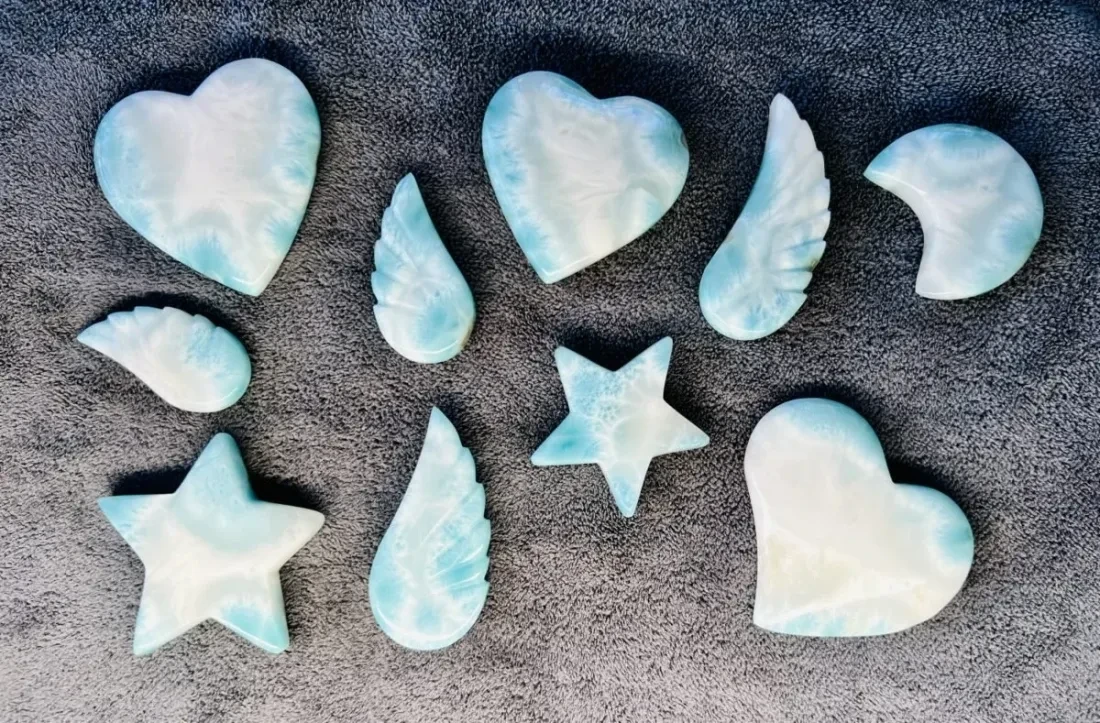
The word “certificate” can describe very different documents. Some record a seller’s statement, some document a chain of custody, and some report independent laboratory testing. The value of a certificate depends on who issued it, what was examined and what the wording actually says.
Four documents that should not be confused
1. Sales document
An invoice or receipt identifies the seller, buyer, date, price and item. It is important commercial evidence, but it is not automatically a mineralogical report.
2. Seller certificate
A seller may provide a certificate of origin, quality or authenticity based on its records and expertise. This can be valuable when it links a unique numbered object to photographs, measurements and a documented source.
It remains a declaration by the seller unless an independent party performed the tests.
3. Provenance record
Provenance is the documented history of an object: where it was sourced, who handled it, how it was processed and how ownership changed. Strong provenance may include dated photographs, batch or specimen numbers, supplier records, processing notes and invoices.
Provenance supports geographic and historical claims; it does not replace mineral identification.
4. Independent laboratory report
A gemological or mineralogical laboratory may identify the material and report measurements or test results. The laboratory may not be able to certify geographic origin or an uninterrupted chain of custody unless it has suitable evidence and methods.
What a useful Larimar Miner record should contain
- Unique certificate or specimen number
- QR code or verification URL
- Photographs of the exact object
- Product or specimen type
- Weight and dimensions
- Material identification wording
- Stated geographic origin and basis
- Grade and grading-standard version, where applicable
- Treatment, repair and stabilization disclosure
- Metal details for jewellery
- Issue date
- Issuer
- Correction or replacement history
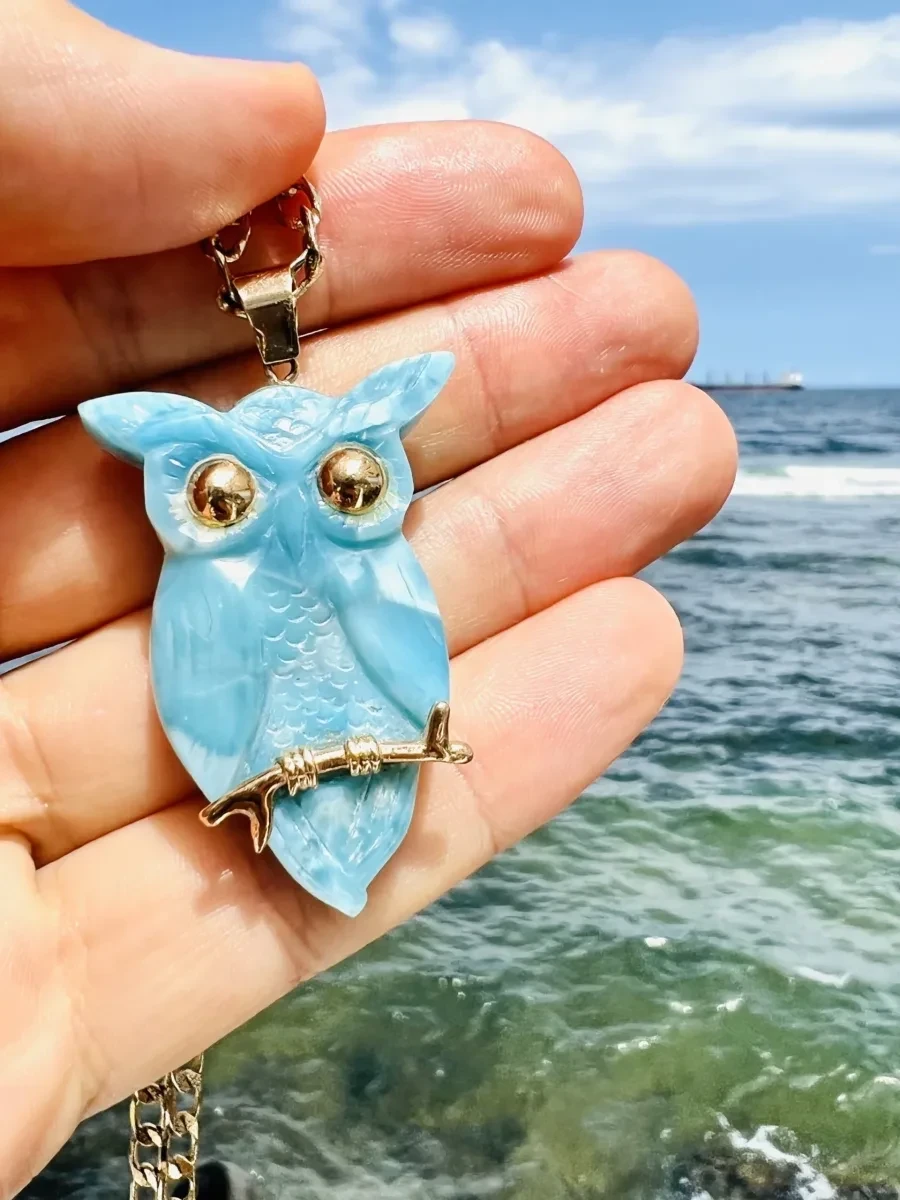
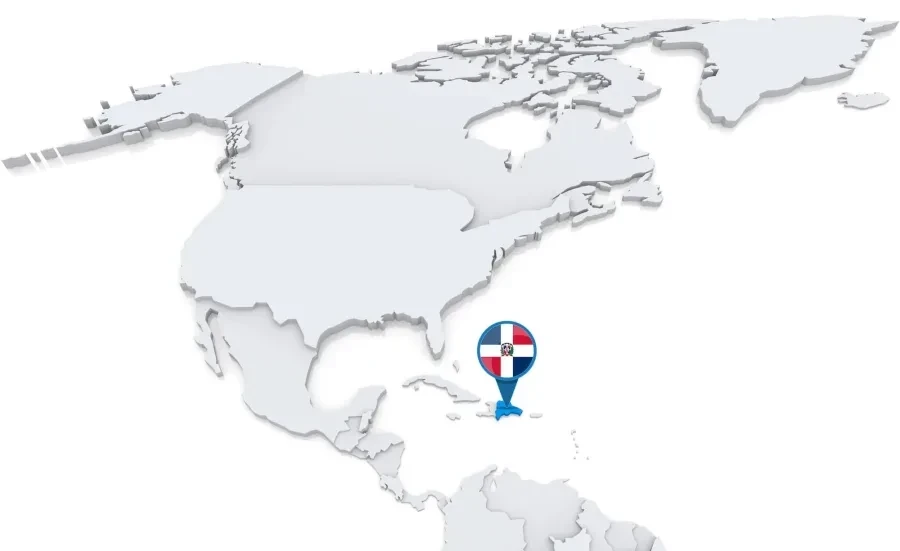
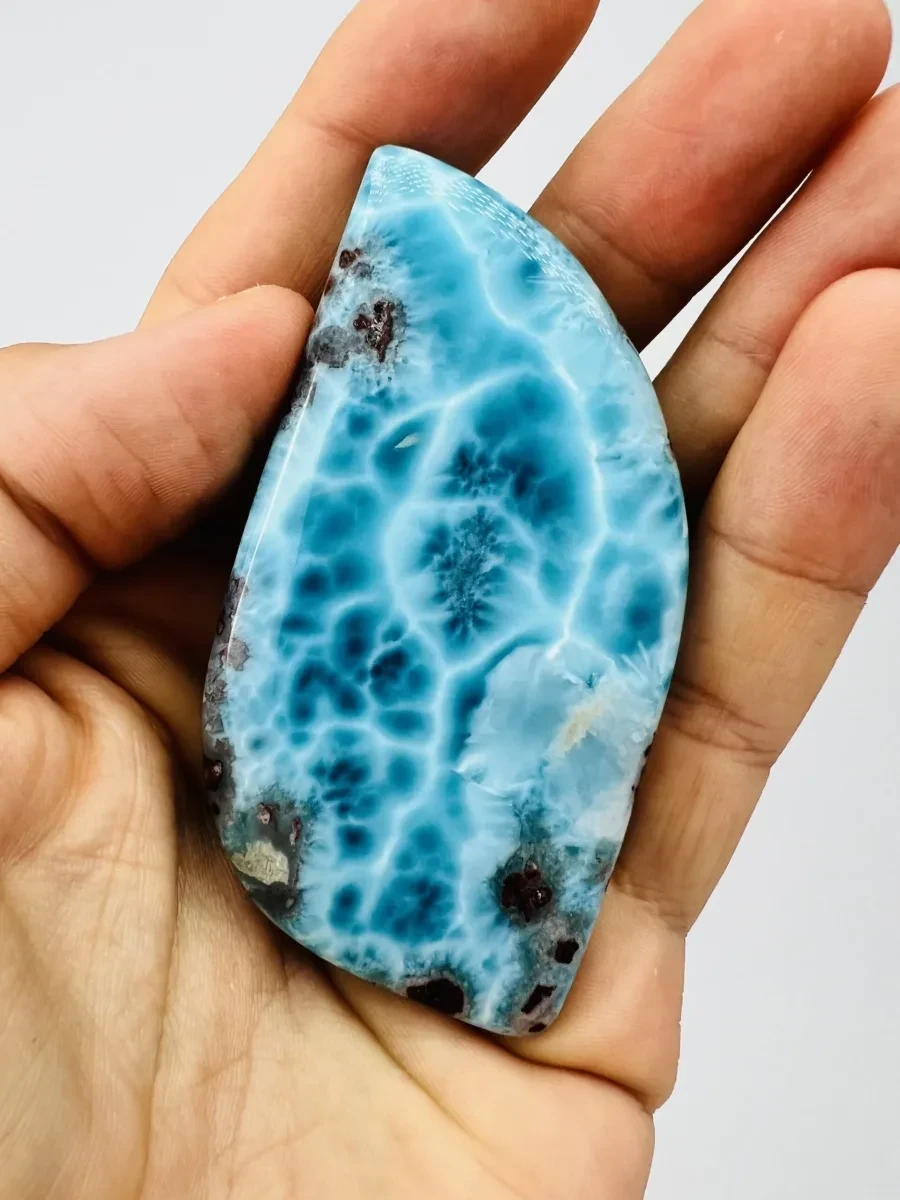
A QR code should resolve to a secure public verification record, not merely decorate the paper with digital confidence.
What a certificate cannot establish by itself
A certificate cannot prove more than the issuer examined and recorded. It does not automatically establish:
- That the object was personally observed during extraction
- That every associated mineral has been laboratory identified
- That no later repair or alteration occurred
- That the market value will rise
- That the piece has medical or spiritual effects
- That a seller-created grade is universally accepted
Protecting the link between document and object
For unique pieces, use:
- Exact photographs
- Dimensions and weight tolerances
- Distinctive natural features
- Tamper-aware numbering
- A database record
- Issue and revocation status
For repeatable products such as bead strands, the record should clearly state whether it covers the exact strand, a production batch or only the product specification.
Corrections and replacements
If a certificate contains an error, keep a correction trail. Mark the original number as corrected, issue a replacement linked to it and state what changed. Do not issue two active records that silently describe the same object differently.
Checking a certificate
- Confirm that the verification domain belongs to the stated issuer.
- Match the photographs, number, weight and dimensions.
- Read the exact identification and origin language.
- Check issue, correction or revocation status.
- Contact the issuer through an independently found channel if the record is inconsistent.