Identify and grade Larimar
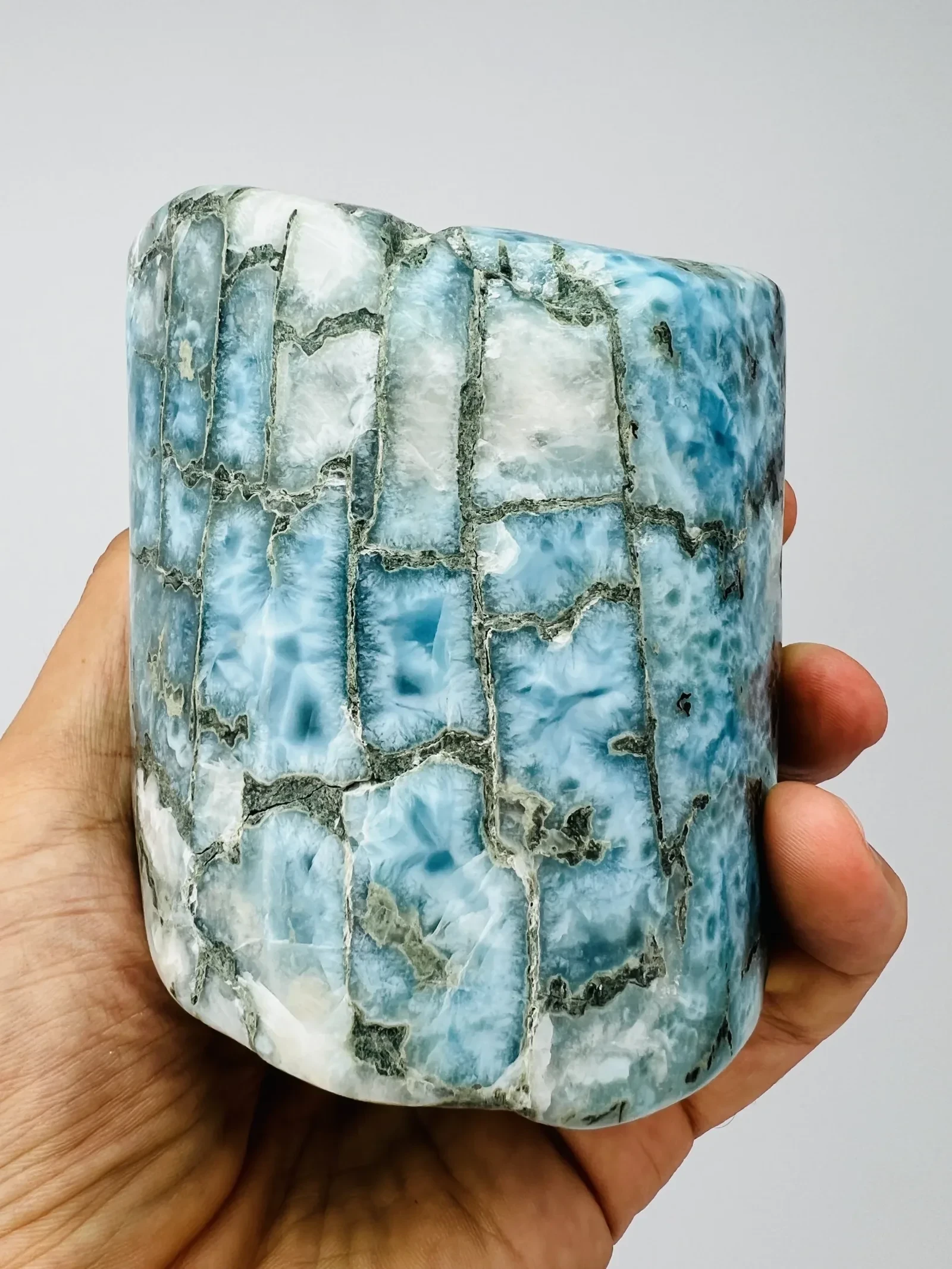
Color attracts attention; evidence establishes identity. This section explains how to move from “it looks like Larimar” to a description that is useful, repeatable and honest.
Identification, grading and valuation are related, but they are not the same task:
- Identification asks what the material is.
- Provenance asks where it came from and how that history is documented.
- Grading describes the quality and character of the material under a stated system.
- Valuation considers grade together with size, workmanship, rarity, condition, documentation and market demand.
A dark-blue color does not prove that a stone is Larimar. A certificate does not automatically prove that every statement printed on it is independent. A high grade does not automatically produce a high value if the piece is damaged or poorly made. Gemstones, like people, become less confusing when we stop asking one label to do five jobs.
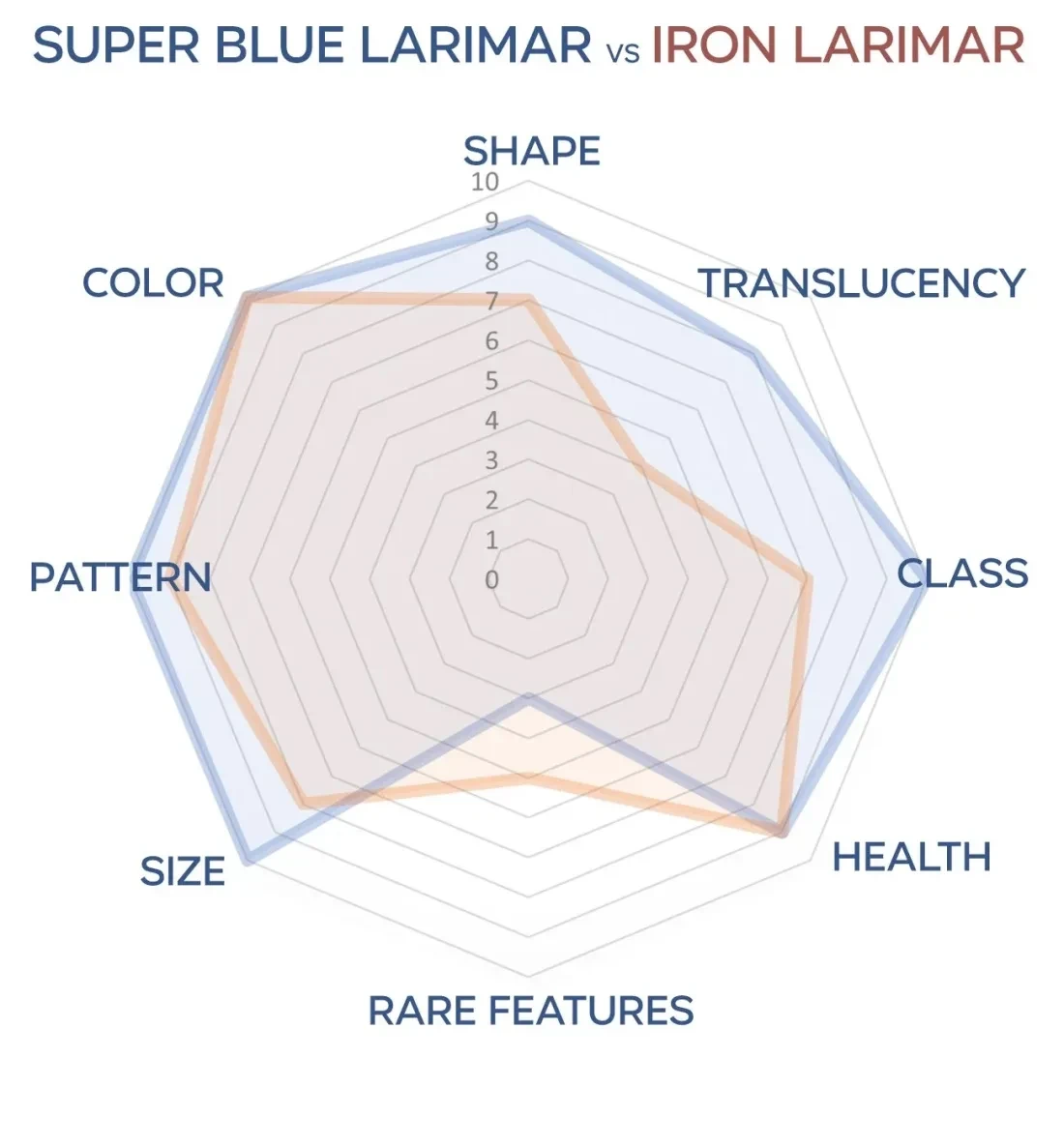
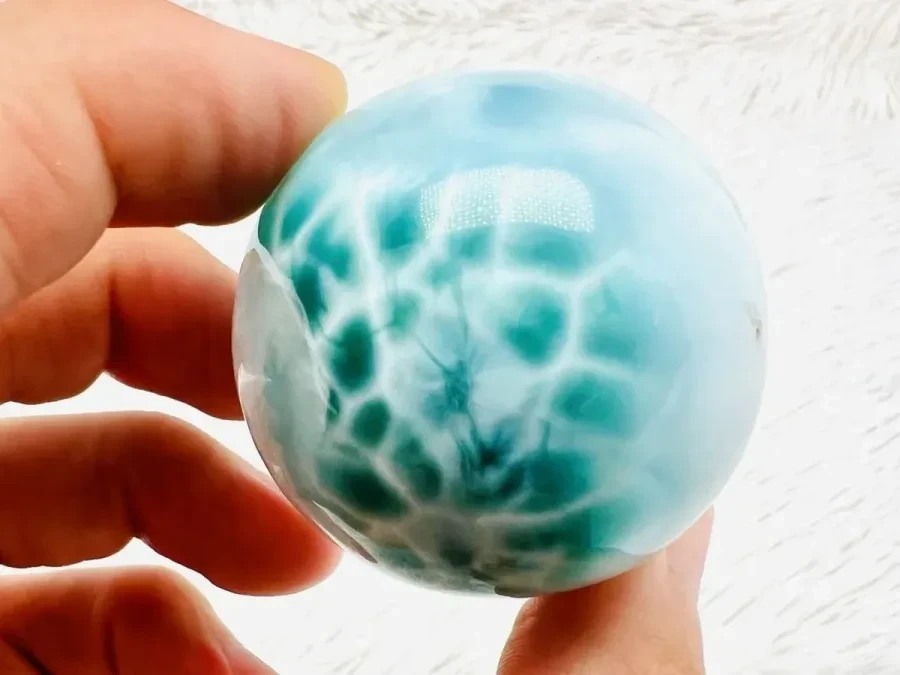
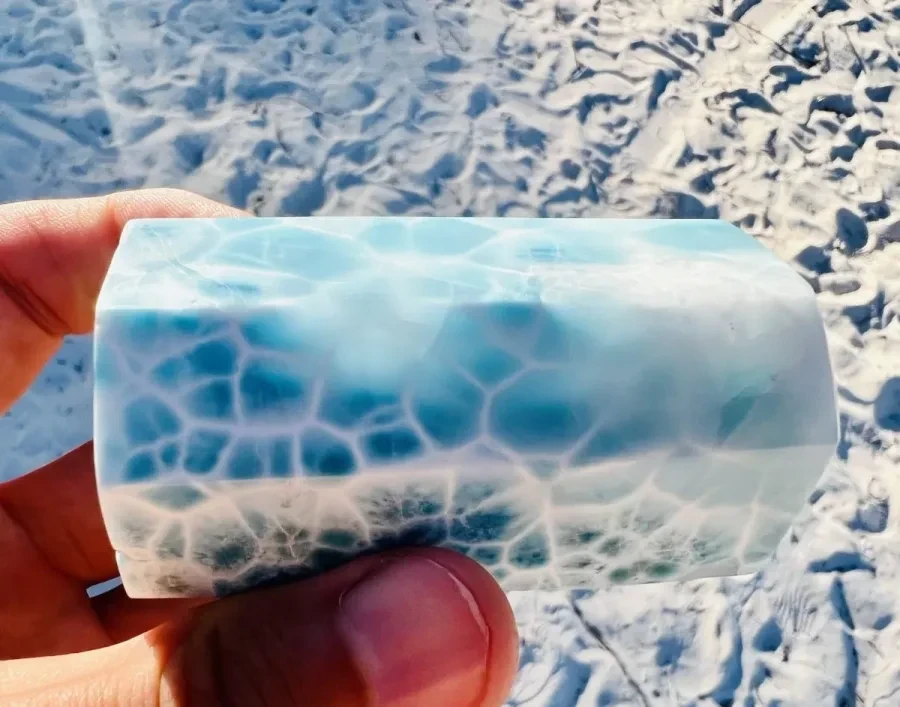
Explore this section
- Genuine Larimar and Common Look-Alikes — Visual clues, limitations and frequent sources of confusion.
- How Larimar Is Authenticated — Observation, gemological measurements and laboratory methods.
- The Larimar Miner Grading Standard — A transparent, versioned framework for describing material quality.
- How to Buy Larimar — Questions to ask before purchasing rough stone, jewellery or collector material.
- Certificates, Provenance and Traceability — What different documents can and cannot establish.
- What Determines Larimar’s Value? — The practical factors behind price without fortune-telling in a blue suit.