Official record Cultural history
Larimar and the Dominican Republic
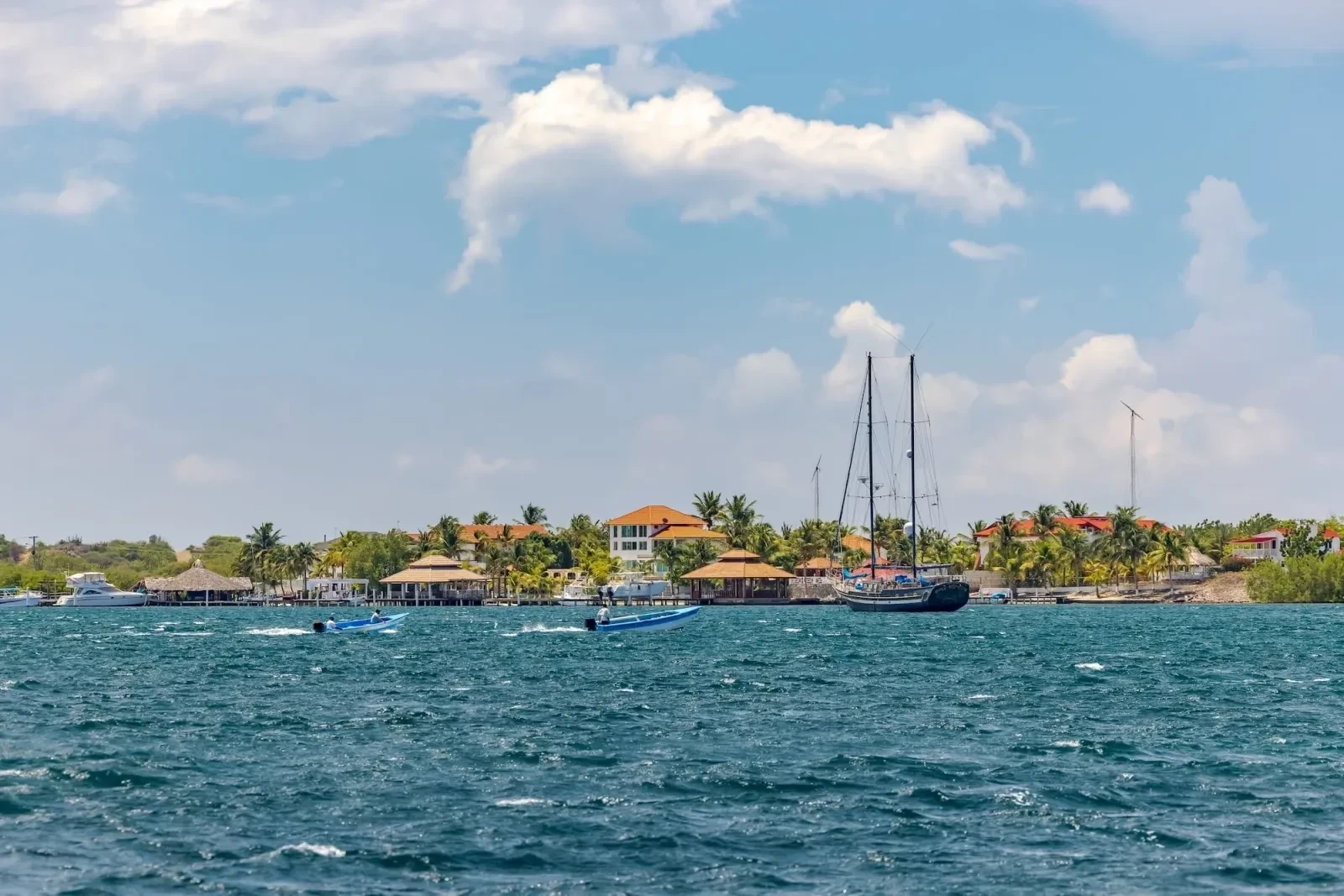
Larimar is more than a blue material extracted within Dominican borders. Its geography, name, legal status, craftsmanship and economic life are all tied to the Dominican Republic—especially Barahona and the communities around the mining district.
A stone with one geographic identity
The material known as Larimar is associated with the blue gem-quality pectolite deposit in Barahona Province. The stone’s restricted origin is central to its identity: remove Barahona from the story and Larimar becomes merely a color word floating around the internet.
In 2011, Law 296-11 designated Larimar the National Stone of the Dominican Republic. In 2018, Law 17-18 established 22 November as National Larimar Day, connecting the date with Miguel Domingo Fuertes’s 1916 report.
Barahona
Barahona is the geographic centre of Larimar’s history and production. The stone links mountain geology with coastal discovery stories, mining communities, cutting workshops, artisans, merchants and visitors.
That connection should not be reduced to a tropical background for product photography. Good documentation names the people and places that create value after extraction, including miners, sorters, sawyers, lapidaries, jewellers and local institutions.
Craft and local value
Larimar is sold as rough material, polished stone, jewellery, carving and collector specimen. Each step adds decisions, labour and skill. Dominican regulations concerning extraction, processing and export have changed over time and remain under the authority of the relevant government bodies.
Any page giving current legal instructions must be dated and reviewed against current official rules. Historical resolutions should not be republished as though regulations had been frozen in amber—wrong national gem, same legal problem.
Larimar Barahona
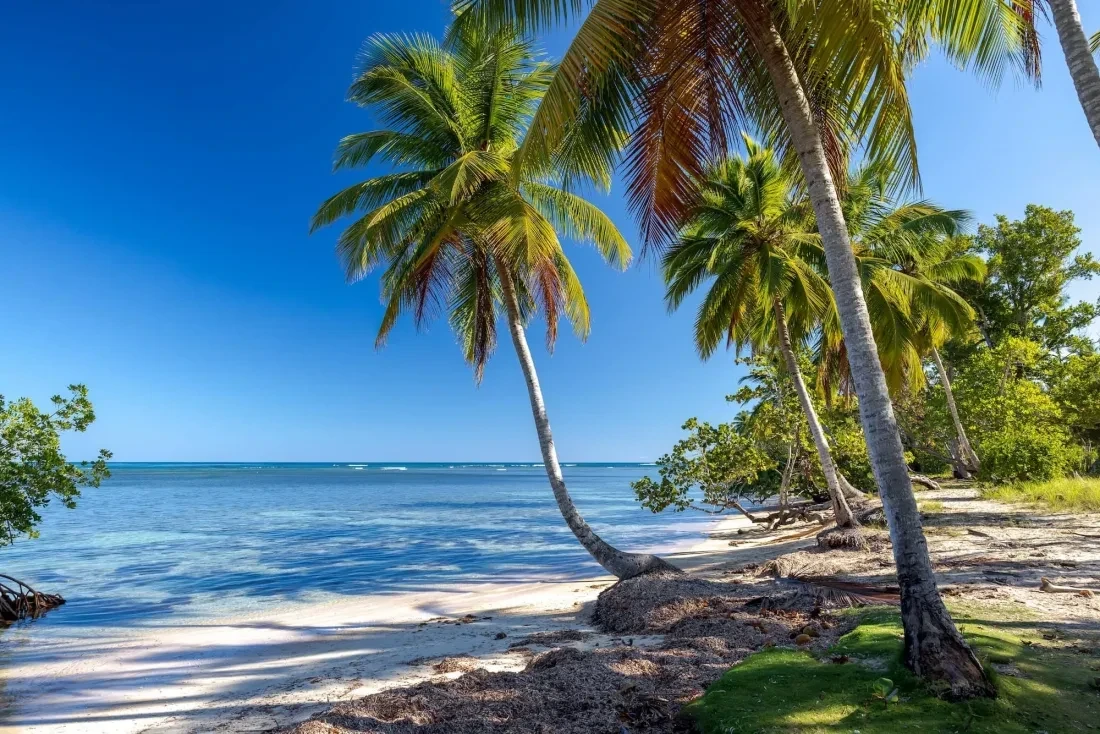
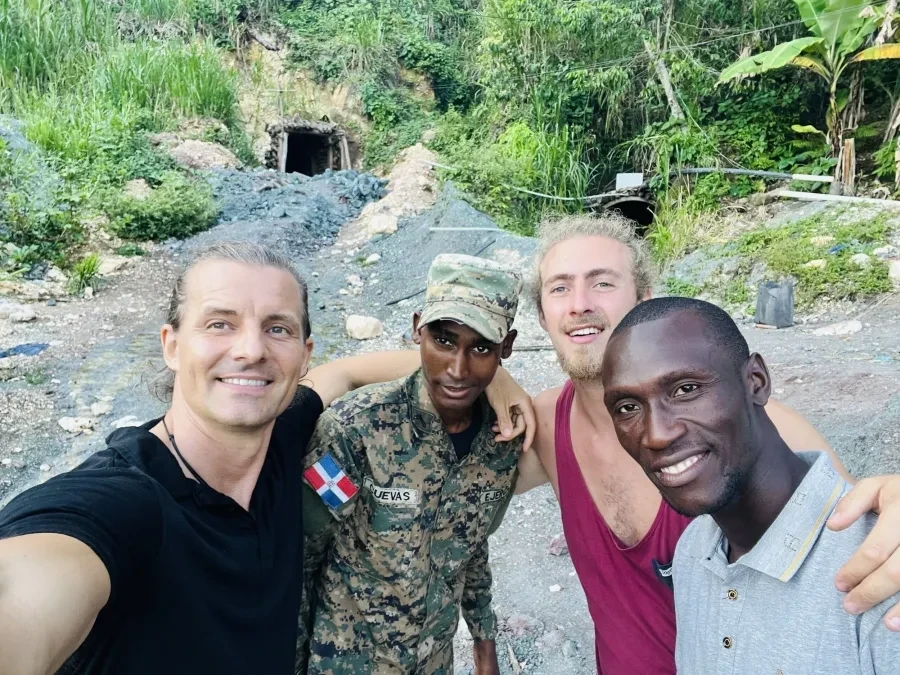
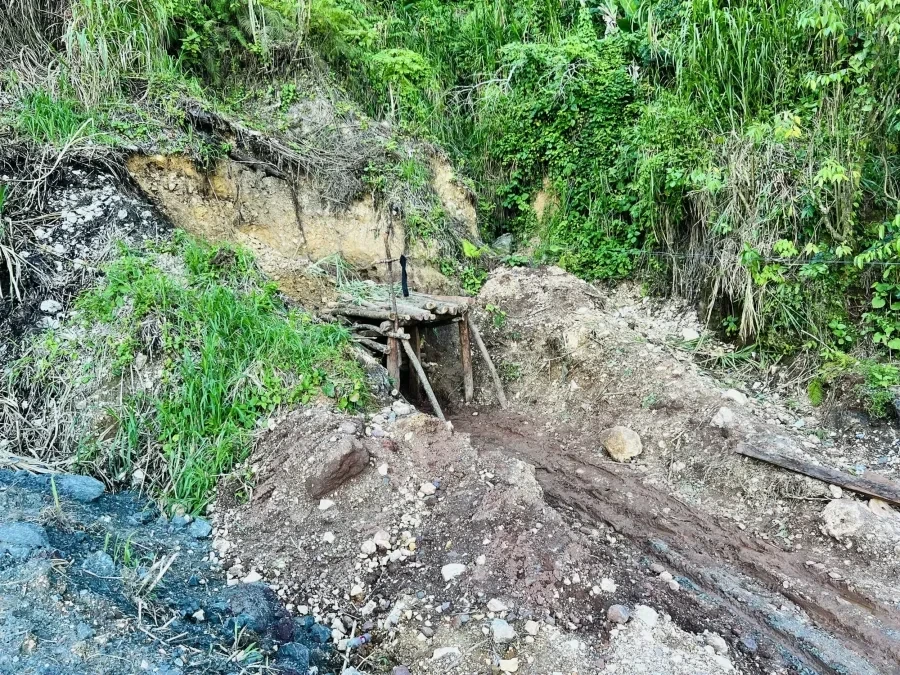
In 2025, Dominican authorities announced international registration of the denomination of origin Larimar Barahona under the WIPO Lisbon System. A denomination of origin links a protected name to a geographic area and to qualities or reputation associated with that place.
This recognition strengthens the Dominican geographic identity of Larimar. It does not replace careful supply-chain records, gemological identification or truthful product descriptions.
National symbol and commercial product
Larimar occupies two roles at once:
- It is a Dominican cultural symbol.
- It is a commercial material whose extraction and sale affect livelihoods.
Respecting the first role requires honesty in the second. Provenance, local workmanship, safe mining, transparent treatments and accurate grading are not optional decorative virtues; they are the practical way to treat a national stone seriously.
Visiting and learning responsibly
Visitors interested in Larimar should use authorized routes, respect mine-safety restrictions, avoid entering workings without permission and ask sellers clear questions about origin and processing.
The most meaningful souvenir is not necessarily the bluest object on the nearest counter. It is a piece whose origin, maker and material are described well enough that its story survives the flight home.
Sources and further reading
- Dominican Republic, Law No. 296-11, designating Larimar as the National Stone of the Dominican Republic; Official Gazette No. 10647, 16 November 2011. — link
- Dominican Republic, Law No. 17-18, declaring 22 November of each year the National Day of Larimar; Official Gazette No. 10909, 23 April 2018. — link
- Dominican Ministry of Energy and Mines, “Ministro Joel Santos recibe Registro Internacional de la Denominación de Origen del Larimar Barahona,” 23 July 2025. — link
- Dominican Republic, Decree No. 370-19, Regulation for the Extraction of Amber and Larimar, dated 25 October 2019 and published in Official Gazette No. 10959 on 12 November 2019. — link
Keep exploring Open all 12 lessons 0/12 visited
- Lesson 01 What is Larimar?
- Lesson 02 The history of Larimar
- Lesson 03 Larimar geology and formation
- Lesson 04 Larimar mineralogy and physical properties
- Lesson 05 Why is Larimar blue?
- Lesson 06 Larimar patterns, inclusions and associated minerals
- Lesson 07 How to care for Larimar
- Lesson 08 Larimar and the Dominican Republic
- Lesson 09 Larimar symbolism and spiritual traditions
- Lesson 10 Larimar FAQ
- Lesson 11 Larimar glossary
- Lesson 12 How to read a Larimar specimen